
Polish Market PR Guide for Beauty and Lifestyle Brands
How beauty and lifestyle brands can use PR to build trust in the Polish market
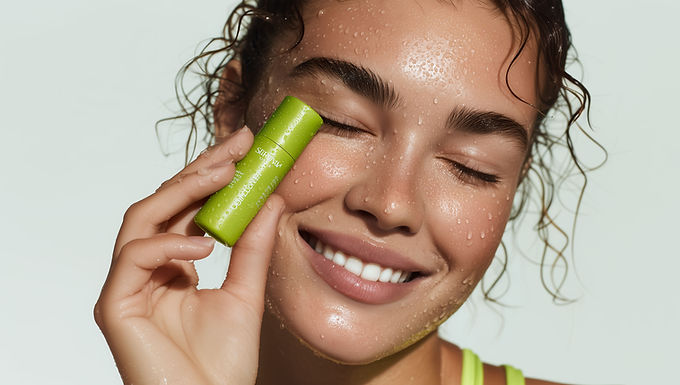
Polish Market PR Guide for Beauty and Lifestyle Brands
The Polish market is a promising place for beauty and lifestyle brands, but visibility alone is not enough. Customers are exposed to many new products, online recommendations and social media campaigns. To stand out, a brand must build a position that feels credible, attractive and locally relevant. Public relations can help by turning a product into a story that Polish customers, journalists, creators and retail partners can understand. For beauty, wellness, fashion, home and lifestyle companies, PR is not only about being mentioned. It is about becoming trusted.
Beauty customers in Poland are often active researchers. They compare ingredients, watch demonstrations, read reviews and look for recommendations from people they believe. This creates an important opportunity for brands with a strong story, but it also means vague claims are weak. A skincare brand should explain the routine it supports, the concerns it addresses and the proof behind its promise. A cosmetics brand should show texture, colour, wearability and professional use. A wellness product should be careful, responsible and clear. PR helps organise these messages so the brand sounds confident rather than confusing.
A strong Polish market PR plan begins with the brand narrative. This does not mean inventing a dramatic story. It means identifying the most persuasive truth about the brand and presenting it in a way that matters locally. A founder-led beauty brand may focus on expertise, personal experience or product philosophy. A premium lifestyle brand may focus on design, craftsmanship and service. A sustainable brand may need to explain materials, standards and practical choices. The narrative should be simple enough for media and creators to repeat, but substantial enough to support deeper content.
The next stage is media angle development. Polish journalists and editors need a reason to cover a brand. A simple product launch may not be enough unless the product is highly distinctive. Strong angles can include new routines, seasonal trends, expert advice, founder insight, category innovation, local availability or cultural relevance. For example, a skincare brand entering Poland may connect its launch to winter skin concerns, professional salon routines or the rise of ingredient-led beauty. A lifestyle brand may connect with gifting, interior trends, self-care or modern working habits.
Influencer partnerships should support PR rather than replace it. In the Polish market, creators can provide proof, demonstration and personal recommendation. Media can provide authority and wider context. When both work together, the brand has a more complete presence. The best campaigns brief influencers properly, provide clear product information and allow space for natural expression. A creator who can explain how a product fits into real life is often more valuable than a creator who simply posts a polished image with a short caption.
For beauty and lifestyle brands, visual identity matters, but it should not carry the whole campaign. Polish audiences may admire attractive packaging, but they still need information. PR content should answer common questions before they become barriers. What is the product for? Who is it suitable for? What makes it different? How should it be used? Where can it be bought? What values does the brand represent? Clear answers make the brand feel professional and reduce uncertainty for new customers.
Localisation is especially important in beauty communication. Technical words, benefit claims and product descriptions must sound natural in Polish. Even when the website or campaign is written in English, the brand needs a local communication structure. This includes Polish media materials, influencer briefs, press notes, product facts and key messages. Poor translation can weaken a premium brand very quickly. Good localisation makes the brand feel prepared for the market and respectful of the customer.
PR can also support retail and distribution. When buyers or partners research a brand, they look for evidence that there is interest around it. Media coverage, creator activity, customer education and professional product information can make commercial conversations easier. A distributor is more likely to take a brand seriously when the market story is clear and there is a visible plan to generate demand. For this reason, PR should be considered part of market entry, not only consumer promotion.
A practical campaign should have phases. The first phase prepares message, materials and target lists. The second phase introduces the brand through selected media and creators. The third phase educates audiences with more detailed content, guides and product explanations. The fourth phase builds repetition through seasonal hooks, testimonials, interviews and fresh stories. Beauty and lifestyle customers rarely build trust from a single post. Repeated visibility across credible channels makes the brand easier to recognise and remember.
The Polish market also values authenticity. Overly exaggerated promises can feel risky, especially in beauty and wellness. Claims should be careful, accurate and supported by real product information. This does not make PR boring. It makes it stronger. A responsible message can still be elegant, emotional and aspirational. The aim is to create desire without losing credibility. Brands that strike this balance often build more sustainable visibility than brands that rely on loud claims.
Measurement should include quality as well as quantity. A campaign may track media placements, influencer content, reach and traffic, but it should also review message accuracy, audience comments, enquiry quality and search behaviour. If Polish customers keep asking the same questions, the content may need more education. If one type of angle performs strongly, the brand can build on it. PR is not a one-time action. It is a learning process that helps a brand become more relevant over time.
For beauty and lifestyle brands entering Poland, PR is one of the clearest ways to build trust before customers are ready to buy. It introduces the brand, explains the value, supports creators, helps retail conversations and strengthens search visibility. A strong Polish market PR guide should therefore combine story, proof, localisation, media relations and consistent education. When these elements work together, an international brand can move from unknown to credible, and from credible to commercially attractive.