
Before allocating budget to Polish creators, ask what you are paying them to contribute. Your brand may already have campaign assets, product demonstrations and paid distribution. A creator partnership needs a clear role alongside that work: reaching a relevant audience, bringing appropriate experience to the product or showing its use in a way the existing materials do not.
That contribution is the starting point for the investment decision. A well-matched creator can make an offer more concrete and introduce it in a setting people already follow. The proposal should explain why that matters to your Polish objective and whether the scope and cost are justified by the work required.
Pay for a useful perspective on the product
A demonstration has value when it answers questions that a product image or description leaves open. Application, preparation, fit and the experience of visiting a place can all give a creator something substantive to show.
Look at what their involvement adds. They may have relevant experience, a clear way of explaining the subject or an established content format suited to the task. Their contribution should be visible in the proposed idea. If the assignment simply asks them to repeat a campaign line, assess whether that publication alone justifies the fee.
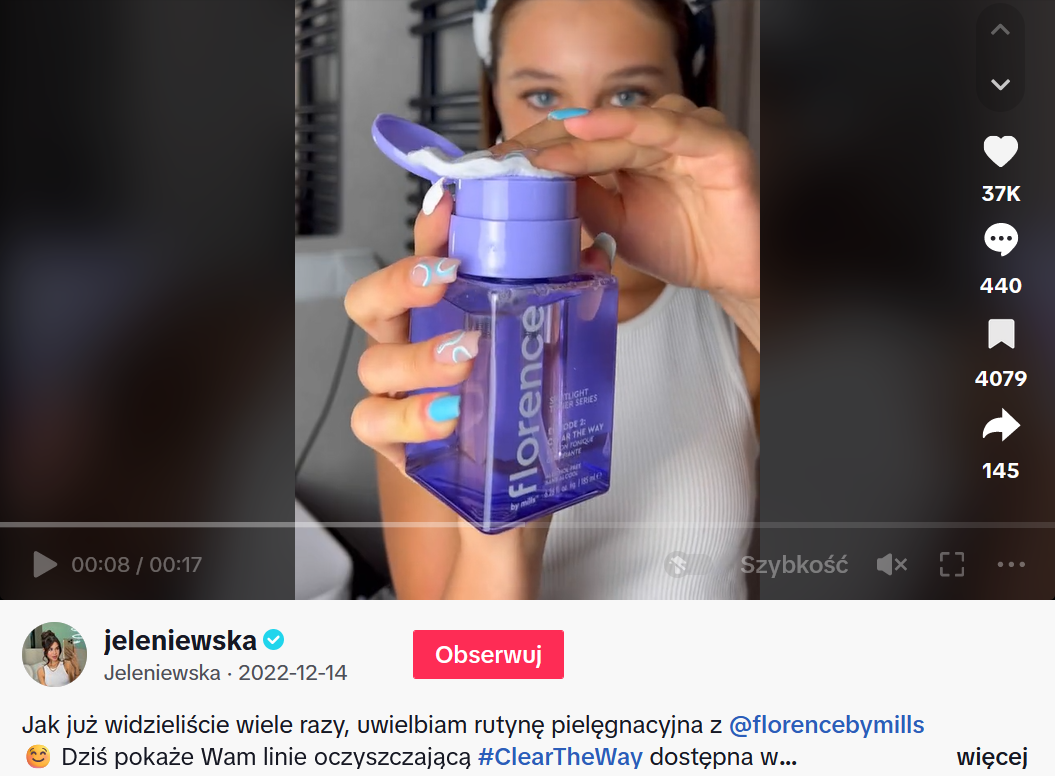
In our work for Florence by Mills in Poland, creator activity formed part of a launch programme that included education about skincare routines and ingredients. We worked with micro-creators on product tests and reviews alongside selected paid partnerships. The role of those activities was connected to the introduction: giving people product context and experience to discuss as the brand became available locally through Douglas.
For another brand, the useful contribution will depend on the offer. A haircare product may benefit from someone showing application within a relevant routine. A food product may need preparation and a considered tasting response. The investment needs an idea strong enough to use the creator’s experience and ability to explain.
Buy access to an audience you have a reason to reach
An audience fit becomes an investment argument when the creator reaches people relevant to your objective and can present the offer in a context that makes sense to them.
Define that relevance beyond a broad category. Someone following food content may be interested in recipes, restaurant visits or convenient meals. Those interests create different opportunities for a brand. A product can belong to the category while still being a poor fit for the proposed partnership.
The same applies to geography. For activity aimed at customers in Poland, use the available audience information to assess the match. Then connect that audience with the local offer: the products, services or locations they can access.
Consider the creator’s audience alongside the rest of the communication plan. If other activity already reaches the same group, establish what this partnership adds. A different perspective, a detailed demonstration or a relevant recurring format can justify the addition. Another publication carrying the same message needs a stronger explanation.
There is no need to assume that creator activity belongs only in campaigns for younger consumers. Start with the people the brand needs to reach and assess the relevant opportunities on that basis.
Connect retail-focused investment with a real offer
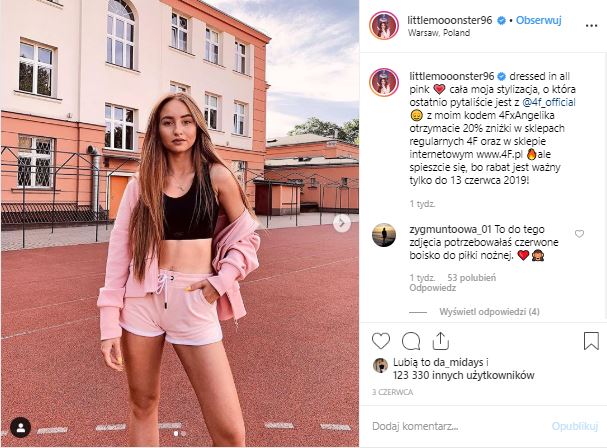
A Polish retail launch gives creator activity a specific opportunity: introduce the product, demonstrate its relevance and direct interest towards an available offer.
Those elements need to work together. Confirm the featured variant, purchase destination and timing before committing to content that encourages buying. If availability is uncertain, resolve that issue before paying to generate additional interest.
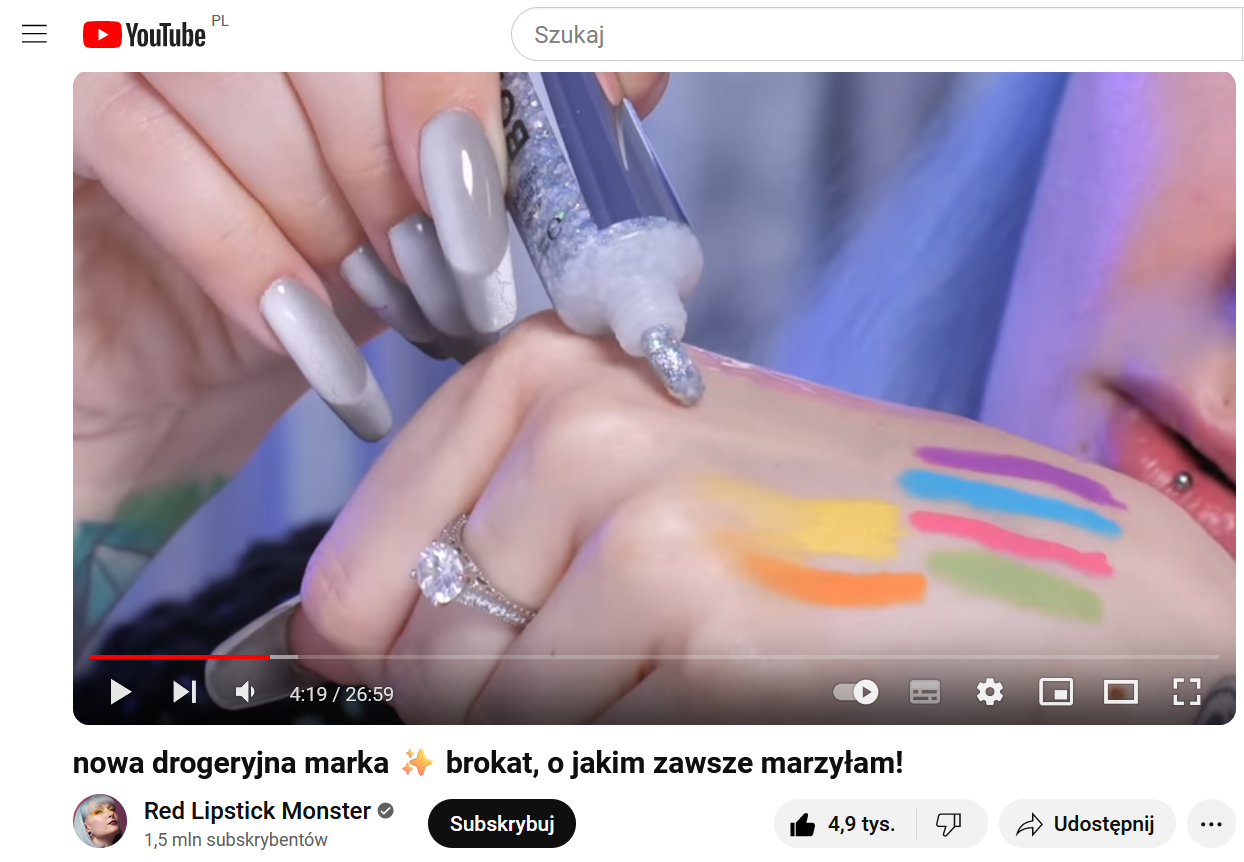
Our work for LAMEL Cosmetics connected visibility in Poland with product discovery and online retail objectives. The case study records that one collaboration contributed to the full product line selling out at Cocolita.pl.
For a new programme, assess the proposed route from content to the offer. The creator should have a credible reason to present the product, the audience should be relevant and the destination should support the intended purchase. Agree what response can be measured before using a commercial objective to justify the budget.
The detailed choice of measures belongs in the campaign’s KPI plan. At the investment stage, the essential question is whether the content has a workable connection with the offer you want people to consider.
Extend a partnership when there is more worth showing
A series deserves additional budget when each publication has a purpose. It might demonstrate another use, return to the product after experience with it or introduce a relevant addition to the range.
Review the proposed sequence as content. If the later pieces repeat the first without adding useful information or experience, a longer agreement has a weaker case. A focused introduction may be enough.
Further use of creator content can also contribute value when the brand has a defined place for it. Identify the channels and task it will serve, then assess the additional cost against that intended use. Material with no planned application should not be counted as a benefit simply because reuse is available.
The scope should follow the opportunity. A larger package earns its budget through useful work, rather than the number of publications or versions included.
Recognise when another investment comes first
Creator activity will struggle to resolve an unclear offer. Missing product information, unconfirmed availability or an incomplete purchase page should be addressed before commissioning content that depends on them.
The communication task may also call for a different first step. A technical proposition can require expert material before a creator can explain it accurately. A distribution objective may need a trade conversation. A brand with clear materials but limited exposure should assess how creator activity compares with other ways of reaching the intended audience.
Protect the work essential to the proposed partnership. If a demonstration needs testing and preparation, the budget must support those conditions. A smaller programme may be a better choice than reducing every assignment until the useful part of the content becomes difficult to deliver.
A strong investment recommendation names the additional contribution, explains why it matters now and shows what is required to obtain it. It should leave the team able to judge the proposal against the objective and the other work already planned.
At Awesome PR Girls, we assess that contribution before recommending Polish creator partnerships. The decision begins with what the audience needs and what the creator can add, followed by the scale of investment needed to deliver it well.