
When introducing a food product to Poland, start with what could prevent someone from trying it. An unfamiliar format needs a clear explanation. Uncertainty about taste may be better addressed through sampling. A product that people understand and want still needs to be available somewhere they can buy it.
These situations call for different priorities. Before commissioning content or arranging an event, establish which barrier your communication needs to address. That decision will help you choose where to spend first and what journalists, creators and potential customers need from the introduction.

Explain the product in the context of a meal or occasion
A product familiar in its home market may need more context when introduced elsewhere. Establish how you want people to use it: as an ingredient, a snack, a meal or something for a particular occasion. The first communication should make that use easy to understand.
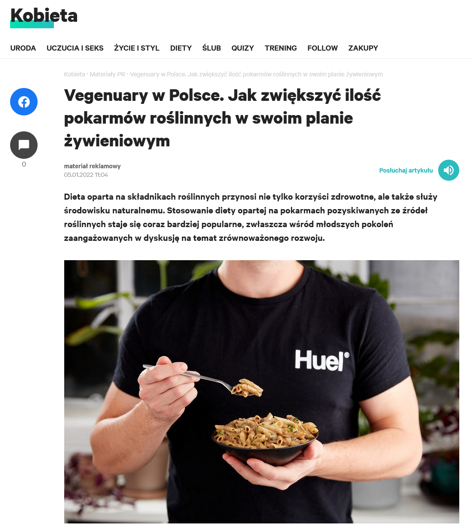
Our work for Huel in Poland involved introducing complete meals in powdered form, a proposition that needed explanation. The international team wanted local guidance on presenting the brand, emphasising relevant benefits and identifying where additional context was necessary.
We combined localised materials and educational content with taste tests, product send-outs and ongoing media relations. Practical and nutritional context helped explain the proposition, while testing gave journalists and creators access to the product itself. The programme addressed both the information needed to discuss Huel and the opportunity to experience its preparation and taste.
The Huel case study records almost 100 product and contextual publications in Polish media during the first six months. The example shows how education and trial can form part of the same introduction when a product does not fit neatly into a familiar category.
For your own launch, check whether the materials answer the basic questions without requiring someone to interpret the global brand presentation. They should explain what the product is, how it is used and what makes it relevant to the intended customer.
Make the first taste a fair test
Sampling needs preparation. Decide how the recipient should store, prepare and serve the product, then provide the information and conditions needed to do that properly.
For a ready-to-eat product, a targeted delivery may be sufficient. A product that needs mixing, heating or combining with other ingredients requires clear instructions. If temperature, quantities or preparation time affect the experience, make those details easy to find. Use practical language and check that any accompanying images show the result the recipient should expect.
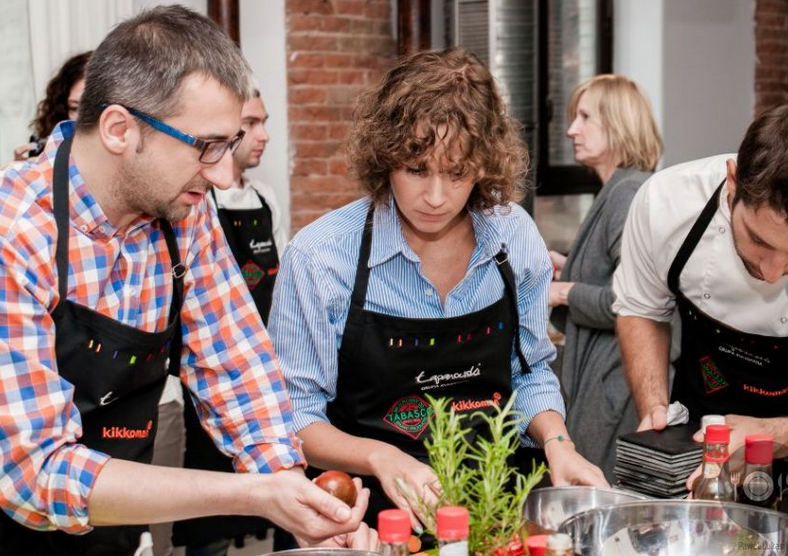
Choose a demonstration when watching the preparation will resolve a genuine difficulty. A tasting session can be useful when guests need to compare variants or discuss the product with someone who can answer questions. If the product is straightforward to use independently, invest in the sample delivery, instructions and follow-up.
The experience should also represent the product customers will buy. If a serving suggestion includes additional ingredients, identify them. If a tasting uses specialist equipment or a preparation method unlikely to be available at home, provide a suitable alternative. Guests need to understand what comes from the product and what has been added for the occasion.
For media and creator testing, allow enough time to receive and use the samples before the planned content. A preparation guide is most useful when it arrives with the product.
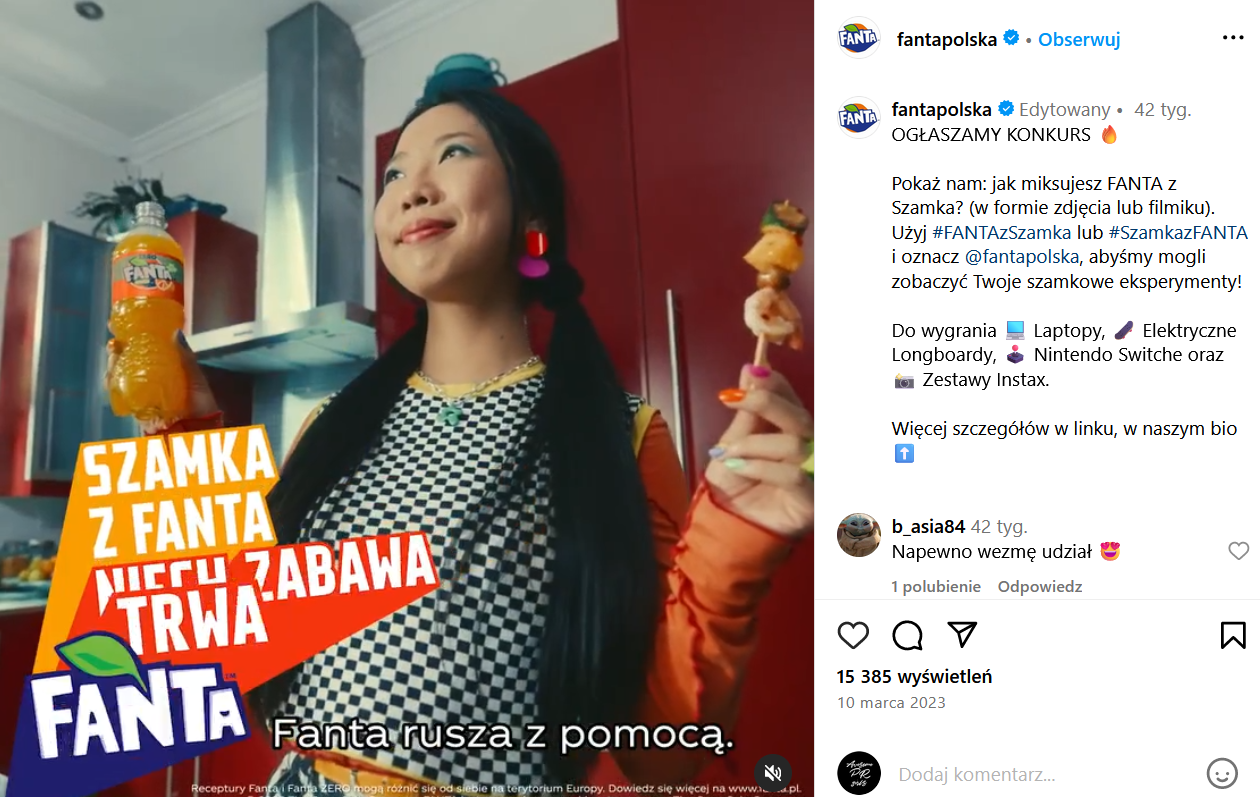
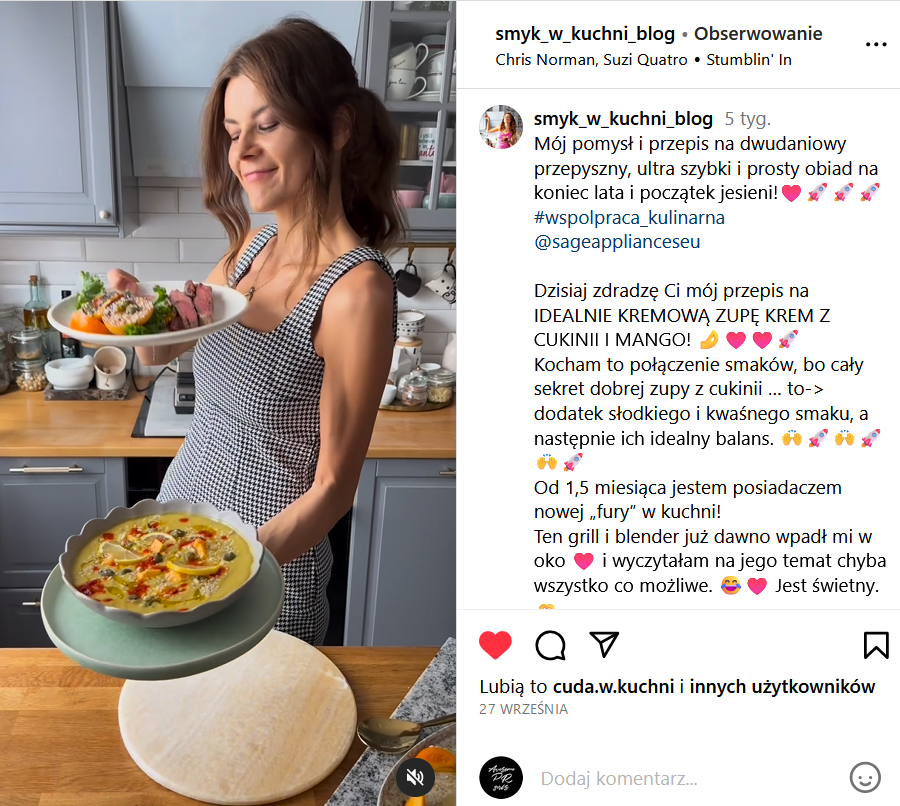
Show the right kind of use in creator content
Avoid forcing every product into a recipe. An ingredient may be best explained through cooking, while a ready meal may need a demonstration of preparation and a considered tasting response. A snack could be introduced through its flavour, texture and serving occasion.
Choose creators whose existing work supports that type of content. Review how clearly they explain preparation, describe food and show the result. Audience information matters, alongside their ability to give the product a credible setting.
The brief should identify what viewers need to see. For a preparation demonstration, show the steps and realistic result. For a recipe, make the product’s contribution clear and use quantities viewers can follow. For a tasting, allow room for an honest description of the experience rather than scripting enthusiasm.
Provide accurate product information and a clear place to buy. Keep those essentials consistent while allowing the creator to use their own voice and format. The content should leave the viewer with a useful understanding of the product.
Make the purchase information as clear as the product explanation
Confirm the Polish offer before scheduling activity that encourages people to buy. A national retail listing, a launch in selected stores and direct online delivery require different information. State where the relevant product or variant can be found and when it becomes available.
Check the destination behind each link. The page should show the featured product and provide enough information to assess the purchase. If the campaign introduces several variants, make sure the materials distinguish between those available in Poland and the wider international range.
Pack size and serving information deserve particular attention. For a multipack or a product prepared from powder, explain what the customer receives and how the suggested portion relates to the pack. If you communicate a cost per serving, use a clearly stated quantity and an accurate calculation. Comparisons should use a basis the reader can understand.
Consumer activity and communication aimed at potential stockists also need distinct objectives. Someone considering a first purchase needs a different explanation from a distributor assessing the range. Prepare the material for each conversation rather than expecting one message to serve both.
Use questions from the launch to improve the next activity
After the first shipments, tastings or creator publications, review the questions the team receives. Repeated uncertainty about preparation may indicate that the instructions need improving. Questions about where to buy may point to missing retail information. Comments about serving size may reveal a detail the content has not made clear.
Use that feedback to refine the materials before extending the activity. If the initial introduction leaves a practical question unresolved, repeating it at greater scale will carry the same gap into more content.
Further communication should add something useful: another application, a well-developed recipe, an expert explanation or a new product available locally. Choose subjects that help people assess the offer and give media or creators a reason to return to it.
Before approving the campaign, review what someone will learn from the proposed materials. They should be able to understand what the product is, how to prepare or use it, what they are buying and where to find it in Poland. Where taste is central to the decision, the plan should explain how an appropriate trial will be provided.
At Awesome PR Girls, we help food brands identify what their Polish introduction needs to explain, choose useful opportunities for product trial and connect the activity with local availability.