
If your team uses AI to prepare communications for Poland, you may already have a translated press release, suggested media targets and an initial creator shortlist before speaking to a local agency. With those materials on the table, it is reasonable to ask what you still need a Polish PR partner to do.
The answer depends on the decisions behind the campaign. You still need to establish whether the story gives Polish media a reason to cover the brand, whether the proposed creators reach the people you want to influence and whether the activity connects to what consumers can actually buy locally. Those decisions determine what happens to the materials you have prepared.
A local PR agency in Poland should bring evidence and recommendations to that discussion, then manage the agreed activity. Its contribution should be visible in the choices it makes and the work it delivers.
A translated announcement may leave the main communication problem unresolved
Consider a hypothetical product launch. Your global team has approved the positioning, and AI has helped prepare a fluent Polish version of the announcement. The text explains the product accurately and follows the brand’s tone. It may still leave a local journalist wondering how the product fits into a reader’s life, why it deserves attention or where it is available.
That is a question about the story itself. Before approaching media, the team needs to decide whether the announcement provides enough context or whether the product needs explanation, demonstration or first-hand experience.
Our work for Huel during its entry into Poland illustrates that distinction. The brief included helping the international team understand how to discuss the brand locally, which benefits to emphasise and where additional explanation was needed. The product format, complete meals in powdered form, required context so that communication could explain its practical use.
We built the Polish programme around education, product experience and ongoing media relations. Alongside adapting global materials, we developed contextual content, worked with consumer and trade media, and organised taste tests and creative product send-outs. Journalists and creators could experience the product as well as read about it.
The decision was therefore broader than how to phrase the global message in Polish. It concerned what people needed to understand and which activities could help them understand it. A translated release could support that programme, but the programme also required product access, media work and coordination with the brand.
Read more about our work for Huel in Poland.
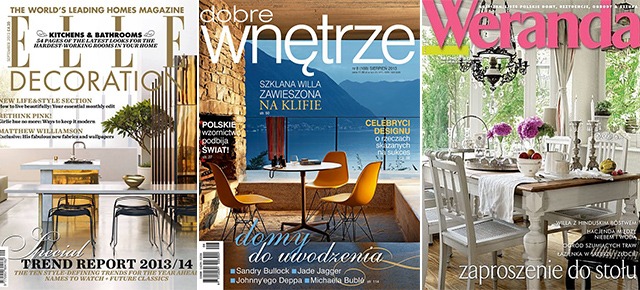
A suggested media list needs a reason for each approach
If you use AI to assemble potential media targets, treat the output as a research starting point. Before outreach, someone needs to verify the contacts, examine their current coverage and decide what to offer them.
A publication’s name alone tells you little about the opportunity. The relevant question is which journalist or section could use the story, what information they would need and whether the proposed format suits the objective.
The same product launch might support several approaches. A distribution agreement could interest trade media, while a product demonstration could be more useful to a consumer editor. A business story would need its own substance, such as confirmed investment or expansion information. Adding a business publication to the list does not create that angle.
Our work for Kiwi.com in Poland involved developing stories across business, travel and consumer media. We used market trends and consumer research alongside brand news, and combined proactive outreach with responses to journalist enquiries. That required finding recurring reasons for the brand to appear in Polish media throughout the cooperation.
For your campaign, a local agency should turn a preliminary list into a proposed approach: who to contact, with which story, using what supporting material. It should also make clear where it recommends editorial outreach and where an opportunity involves paid content. That distinction affects both your budget and what you can expect from the activity.
Once outreach begins, the work continues through questions, requests for information and follow-up. Those exchanges can determine whether a well-prepared story becomes usable coverage.
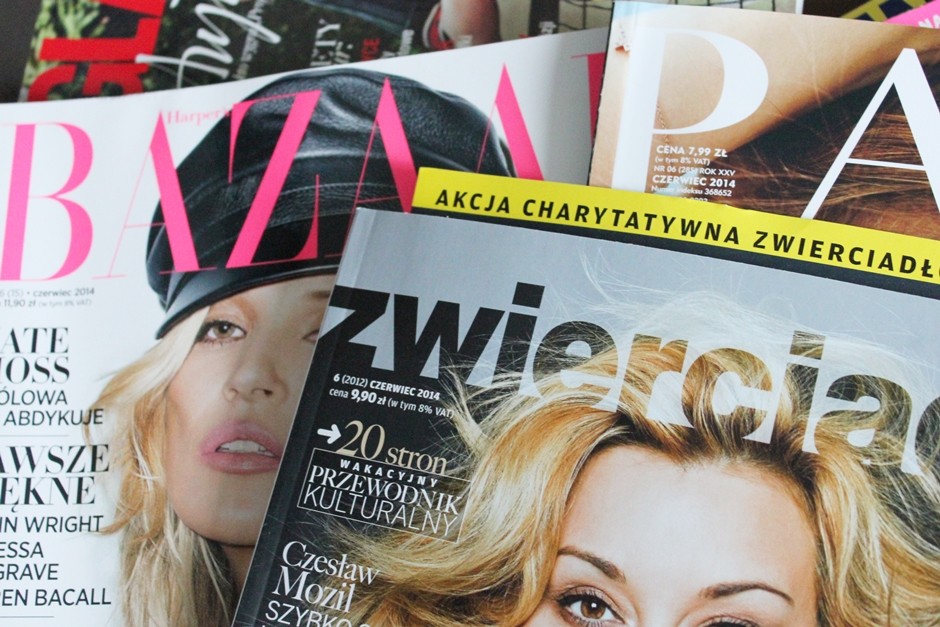
A creator shortlist needs to connect the audience, product and purchase opportunity
An AI-assisted shortlist may provide a useful structure for comparing creators. Before committing the budget, the team still needs reliable information about the individual profiles and a clear purpose for each collaboration.
Suppose the objective is to support a product range available through a Polish online retailer. The brief needs to connect the creator’s content with that range, its availability and the intended customer action. A persuasive profile summary does not establish whether the audience is relevant, whether the creator can explain the product or whether the proposed publication will direct people to the right destination.
In our work for LAMEL Cosmetics, the brief combined visibility with product discovery and traffic to online retail partners. We selected and managed creators across Instagram, TikTok and YouTube, adapted campaign briefs and coordinated content approvals around the agreed objectives.
The agency’s case study reports that one Polish creator collaboration contributed to the full product line selling out at Cocolita.pl. That result is specific to the campaign and should not become a promise for another brand. It does, however, show why creator selection and the retail objective need to be considered together.
For an international team, the practical approval question is whether the proposed partnership makes sense all the way through: the person, the audience, the content, the available product and the destination. Your local partner should be able to support that recommendation with evidence and manage the details needed to deliver it.
See the LAMEL Cosmetics case study.
Use AI preparation to make the local brief more useful
You do not need to wait for a finished campaign before involving a Polish agency. Share the objective and your working materials while there is still room to change the approach.
Make their status clear. A draft translation, a suggested contact list and an approved product claim need different kinds of review. Include the original sources, identify what has already been confirmed and flag the assumptions that still need checking. The same discipline applies whether the materials were prepared with AI or by your team.
Then commission a defined result. For example, you might need an assessment of whether the launch story is ready for Polish media, a recommended creator approach or a local activation plan. The agency’s response should give you decisions you can act on, the information still required and the proposed scope of delivery.
That makes the value of the review easier to judge. You can see which parts of your preparation are ready to use, what needs changing and how those changes affect the campaign. You can also decide which additional activities deserve funding before committing to production or partnerships.
AI can help your team arrive at the discussion with more material prepared. A local PR partner should help turn that preparation into a campaign grounded in the people, media and commercial circumstances it needs to work with in Poland.
At Awesome PR Girls, we support international teams with that local assessment and delivery. If you already have a global plan or an AI-assisted draft, we can help establish how to use it in your Polish campaign.