
When you manage Poland from abroad, several agency proposals can look equally convincing. Each may offer media relations, influencer marketing and local campaign support. You may recognise some client names without knowing whether the work is relevant to your situation.
The selection process should help you assess how an agency would handle your assignment. Look for relevant experience it can explain, recommendations grounded in your brief, a team you can meet and a scope you can compare.
You do not need to become an expert in Polish media before making that judgement. You need enough evidence to understand the proposed approach and distinguish what the agency knows from what it still needs to investigate.
Give agencies the same problem to respond to
A useful comparison starts with a shared brief. Explain the business situation, the audience you want to reach and what communication needs to support.
For a launch, include confirmed Polish availability, the planned timing, priority products and the global materials available. For ongoing PR, describe the brand’s current position and where your international team needs local support.
Separate fixed requirements from open questions. An approved global positioning may be a requirement, while the Polish media angle remains something you want the agency to recommend. Share the available budget, or ask agencies to explain the assumptions behind their proposed options.
Also describe what your team can supply. Spokesperson access, product samples, supporting research and approval times can affect the work. An agency that asks about those dependencies is gathering information needed to make a realistic recommendation.
This should leave each candidate responding to the same assignment. Otherwise, you may end up comparing the cost of a press office with a proposal for a launch campaign that includes creators and events.
Look for evidence behind the portfolio
A relevant case study should help you understand what the agency did and why. The closest match may involve a similar communication challenge rather than the same product category.
For example, a brand introducing an unfamiliar product may benefit from experience in product education. A company launching through a Polish retailer may need a partner who can connect communication with local availability and product discovery.
Ask the agency to walk you through one case. A strong answer should connect the client’s problem with the recommendation, explain the agency’s role and show evidence of the result. It should distinguish work handled by the agency from contributions made by the client or other partners.
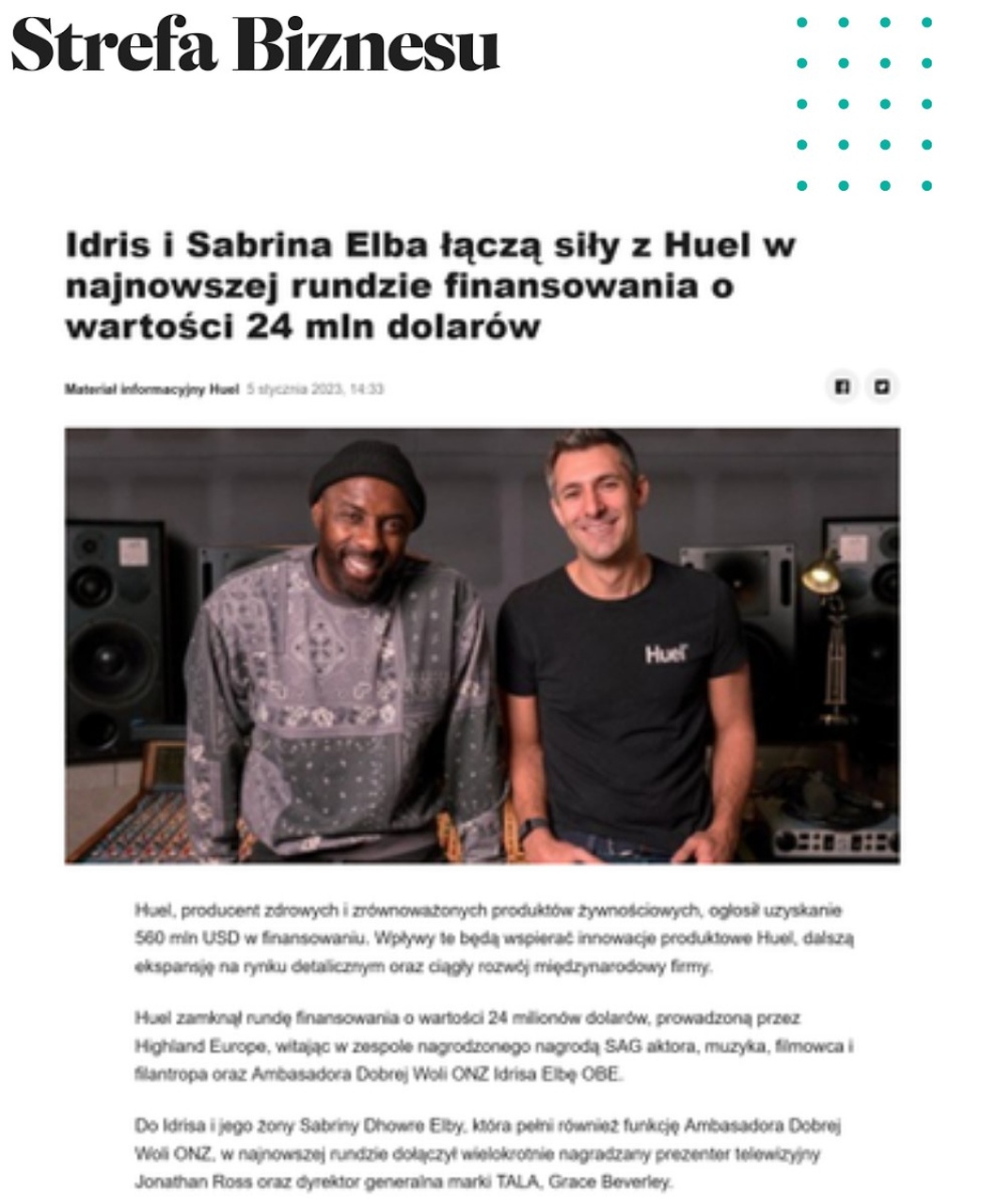
Our Huel case study, for example, documents experience supporting the brand’s entry into Poland through localised materials, contextual content, media relations and product experience. It establishes the scope of that work. A prospective client could then ask which information shaped the approach and how the team decided what needed explaining locally.
Treat the reported results with similar care. A publication count documents coverage, while research or sales data answers different questions. Ask what was measured, how it was measured and which part of the work the result describes.
Confidentiality may limit what an agency can share. Within those limits, it should still be able to explain its responsibilities and approach clearly enough for you to assess their relevance.
Test how the agency uses its knowledge of Poland
Ask for one real example in which a Polish market detail changed the agency’s recommendation. That detail might concern a local retail channel, product availability, the intended audience or an editorial opportunity.
The useful part of the answer is the connection between the information and the decision. You should hear what the team learned, what it recommended as a result and how that affected the work.
Apply the same test to an initial discussion of your brief. If an agency suggests a type of Polish publication, ask who it reaches, why it suits the objective, what story the team would offer and what material it would need from you. A recognisable media name is only one part of that explanation.
For influencer activity, ask how the team would establish audience relevance and the creator’s role in the campaign. The answer should explain what evidence it would examine before recommending a partnership.
An introductory conversation will not resolve every question. It should, however, show which decisions the agency can already discuss and which require further research. A team that identifies a missing piece of information gives you something useful to resolve.
The same applies to adapting global materials. Ask what the agency would assess before changing them. Some content may be suitable for local use; other elements may need a different angle, additional evidence or confirmed Polish availability. Each proposed change should have a reason.
Meet the person who would lead your account
Before choosing a partner, meet the person expected to manage the work. Ask them to discuss one practical issue from your brief, such as an uncertain launch date, limited sample availability or several layers of international approval.
Listen to how they explain the options and what they need from your team. This gives you a more useful view of day-to-day collaboration than a list of job titles.
Confirm who will handle daily communication, where senior input is included and whether the people presenting the proposal will remain involved after appointment. If specialists or external partners will deliver part of the scope, understand how that work will be managed.
For an international team, language arrangements also matter. Agree which recommendations, briefs and reports will be available in English, and who will explain Polish-language coverage or creator content when a decision is required.
By the end of this discussion, you should know who you will work with, what they will handle and how you will receive the information needed to approve the work.
Compare commitments, expected results and external costs
A proposal should distinguish the work the agency commits to delivering from the results it expects that work to support.
Preparing materials, researching media, pitching stories and handling enquiries can form part of an agreed scope. Editorial publication depends on decisions made by the media. Paid content and creator partnerships involve separate commercial arrangements and deliverables.
Ask candidates to make those distinctions visible. A forecast of editorial coverage and a package of purchased publications should not appear to be equivalent promises.
Then examine the fee. Check which activities are included, how frequently they will happen and what requires additional approval. Identify external expenditure such as creator fees, paid media, production, travel, shipping and content usage rights.
Consider this hypothetical comparison. One proposal includes ongoing media relations, with creator activity available as an additional project. Another includes a launch programme with selected creator partnerships and product send-outs, but limited press office support afterwards.
Neither is automatically the better option. If the immediate priority is a coordinated launch, the second may be closer to the brief. If the brand needs recurring media support throughout the year, the first may be more relevant. Before deciding, clarify the duration, included deliverables, external costs and support available after launch.
This is why a longer activity list does not necessarily represent better value. Ask what the team will prioritise within the proposed budget and what would need to change if the scope expands.
Make the final comparison against your assignment
Before appointing a partner, return to the brief and compare the candidates using the same criteria.
Does the relevant experience stand up to questions about the agency’s role? Does the proposed approach respond to your situation in Poland? Have you met the people who would deliver it? Can you distinguish the included work, expected results and additional costs?
Any unresolved point should become a specific question before appointment. If the recommendation depends on unconfirmed distribution, clarify how the plan changes if availability moves. If a proposal assumes fast approvals, check whether your team can provide them.
The final choice should leave you with a clear starting point: a partner whose approach you understand, a team you are ready to work with and a scope that reflects what your brand needs in Poland.
At Awesome PR Girls, we support international teams with PR, influencer marketing and local communication in Poland. Share your business situation, current plan and the decisions where you need a local view, and we can assess the support required.