
Your international team has a product announcement, company news and campaign materials ready for Poland. The local media plan needs to establish which subjects are worth developing, whose readers they serve and what the brand can contribute to each story.
For a food brand, one development can lead to several possible conversations. A retail listing may interest an industry publication. A product can provide material for a consumer feature. An expansion plan may justify a business interview. Each requires a different emphasis and supporting information. The editorial opportunity depends on what you can substantiate and explain.
Use trade media for a substantive industry story
Trade media can have a defined role when the objective is to reach retailers, distributors or other food industry audiences. The relevant subject might concern distribution, the assortment being introduced, a partnership or the company’s plans for Poland.
Prepare the facts that make the development meaningful. A distribution announcement should explain what has been agreed, which products it covers and when availability changes. If the story concerns expansion, establish what the company can disclose about its plans and who can discuss them.
A product description alone may provide too little material for that conversation. The team needs to identify what has changed for the industry audience and why it matters. Where commercial details are confidential, agree the boundaries before offering an interview.
Trade coverage should also be assessed against its intended purpose. An article reaching relevant industry readers can contribute to a distribution-focused programme even when its audience is smaller than that of a broad consumer publication. The media recommendation should make that role clear.
Give consumer media something useful for their readers
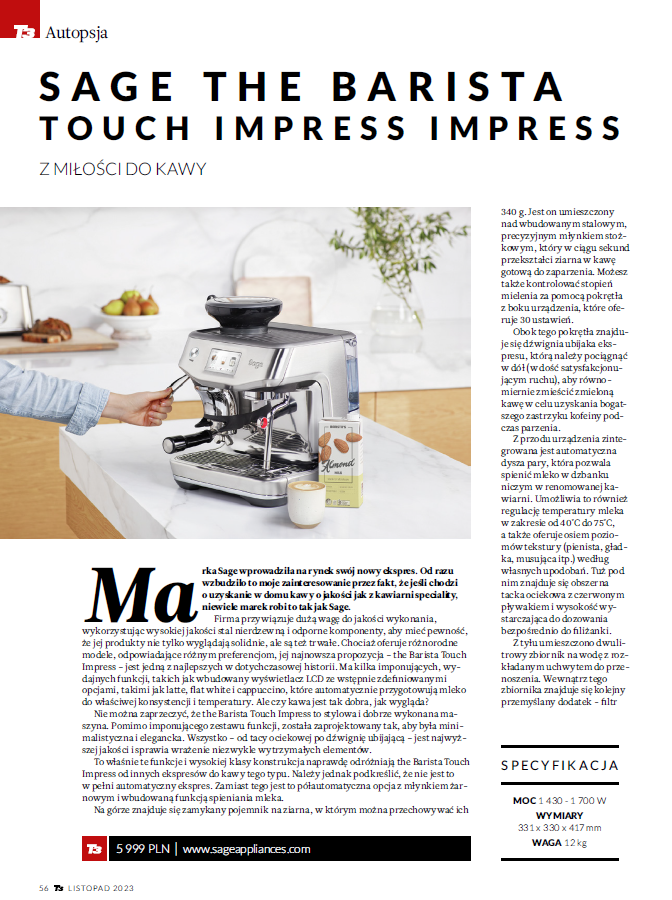
Consumer stories need a connection with the audience’s interests or practical questions. Depending on the product and publication, that could be a recipe, an explanation of preparation, a product selection or an informed contribution to a wider food feature.
Choose the angle from what the product can genuinely support. An ingredient may fit a cooking feature when there is a useful application to show. A ready meal may need an explanation of preparation and serving size. A product selection requires accurate details, suitable photographs and clear availability.
For Poland, confirm the local offer before developing the pitch. The featured variant should be available through the stated channel, and the price and pack size should correspond to that offer. If global materials show a wider range, distinguish it from the products readers can buy locally.
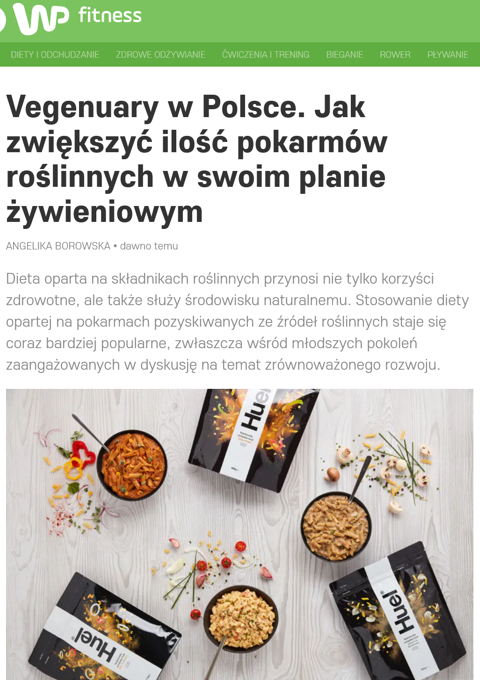
Our work for Huel in Poland included both consumer and trade media. The brand was introducing complete meals in powdered form, so the programme combined a practical explanation of the proposition with localised materials and ongoing media relations. The case illustrates why an unfamiliar product needs supporting context alongside the announcement.
The media team should then assess how that material fits each editorial opportunity. A product introduction and a broader feature about food need different contributions, even when the same brand could participate in both.
Offer business media a conversation the spokesperson can sustain
A food brand’s entry into Poland can provide a starting point for a business story when the company has substantive decisions or plans to discuss. A journalist may want to explore the reasons for expansion, the route to market or the business model behind the offer.
Before proposing an interview, establish what the spokesperson can explain. The company should be ready to answer questions about its own decisions and support any figures it intends to use. A presentation focused entirely on product benefits is unlikely to provide enough material for a wider business conversation.
International achievements can supply background, provided their relevance is clear. Keep global figures separate from Polish results and plans. If the company is discussing ambitions rather than completed activity, describe them accurately.
A recommendation to approach business media should therefore identify the subject, the available spokesperson and the information behind the pitch. A well-known publication’s reach is insufficient justification on its own.
Recognise when the story needs more work
An announcement is ready for outreach when the team can explain its relevance and answer the questions it is likely to raise. If essential information is missing, complete the material before extending the media list.
For a retail story, that may mean confirming the scope and timing of distribution. A consumer pitch may need correct availability, images or preparation information. A business interview may depend on access to someone who can discuss the company’s plans.
The same applies to evidence. If a pitch makes a statement about Polish consumers, the underlying research needs to cover that audience. The source, research period and relevant limitations should be available. Findings from another market can provide background when identified clearly, but cannot establish how people in Poland behave.
Expert commentary should add an explanation within the speaker’s competence. Where the proposed quote simply repeats the brand message, develop a more useful contribution before presenting it as expert input.
Sometimes the right recommendation is to narrow the subject. A confirmed retail listing can be communicated as a listing without being presented as a major market expansion. A product can be offered for a relevant selection without attaching an unsupported trend claim. The strength of the pitch comes from the material behind it.
Manage outreach around the editorial opportunity
Once the subject is ready, approach the journalist whose current work fits it. State the proposed angle early and make the supporting material easy to access. Agree spokesperson availability and a route for additional questions before offering an interview.
Follow-up should help the journalist develop the subject: supplying a missing image, confirming a detail or arranging access. Product samples can support an assessment where relevant, with practical guidance provided alongside them. Our separate article on promoting a food product in Poland covers the wider decisions around sampling and first trial.
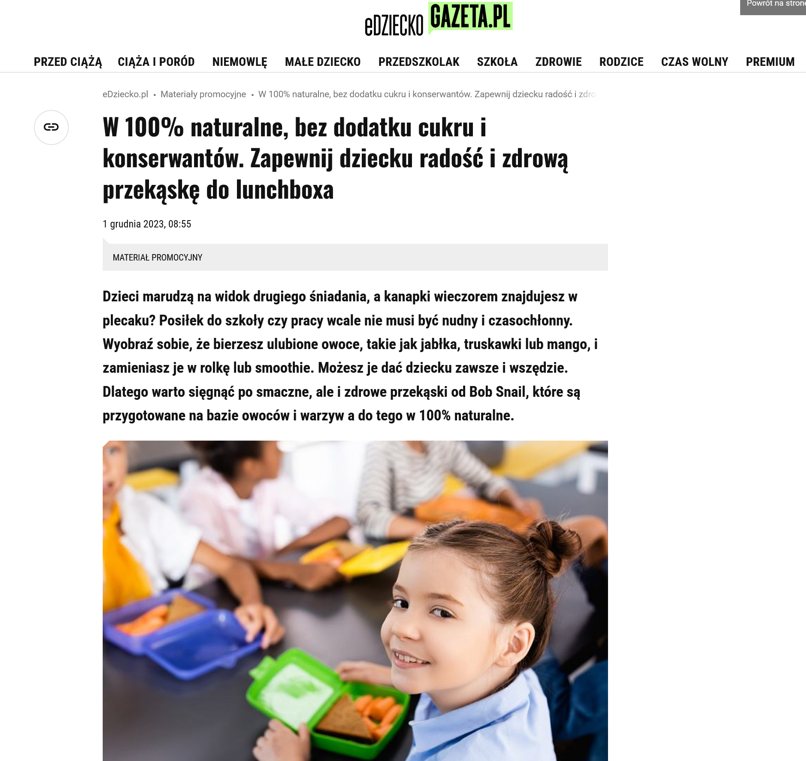
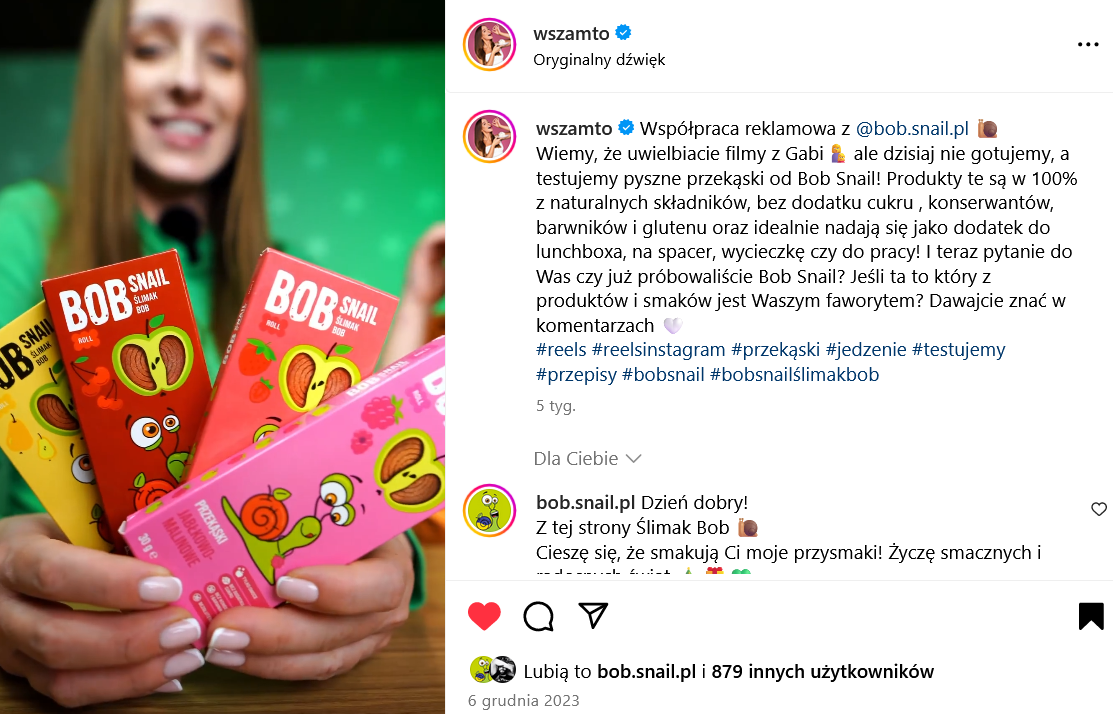
If the plan includes commissioned editorial content, give it a clear role alongside earned media relations. In our Huel programme, the work included sponsored editorial opportunities as well as media outreach. Reporting should distinguish those activities so the international team can assess what each contributed.
Evaluate the story in its intended context
Review coverage against the purpose of the approach. For a trade article, examine whether it communicated the relevant commercial development to the intended industry audience. For a consumer feature, assess how accurately and usefully the product was presented. For a business interview, consider whether the company’s decisions and perspective were meaningfully explored.
Publication totals and estimated reach provide part of the record. The report should also explain which subjects gained editorial interest, what information journalists needed and where a proposed angle lacked sufficient support. Those observations can improve the next recommendation.
A food media story is ready to pitch when its intended reader is clear and the brand can provide the facts, expertise or access needed to develop it. At Awesome PR Girls, we use that judgement to shape the subject and media selection before outreach begins.