
Your beauty brand has secured a Polish retail partner. The launch date is approaching, global campaign assets are ready and the international team needs a local media and creator plan. Before selecting guests, sending products or commissioning content, agree which products will lead the introduction, what customers need to understand about them and where the campaign will direct their interest.
These choices give the Polish launch a clear starting point. A retailer listing establishes availability, but the communication still needs to explain the range. For skincare, that could mean showing how products fit into a routine. For haircare, it may involve application and specific hair needs. For makeup, the priority could be demonstrating finish, shade and use.
Choose lead products from the Polish assortment
Start with a confirmed view of what customers will be able to buy: products, variants, retailers and launch dates. Compare that assortment with the global campaign materials. If the images feature products outside the Polish offer, select suitable alternatives or make the differences clear before the assets reach media and creators.
The lead products should combine confirmed availability, a benefit that is easy to explain and a credible way to demonstrate their use. A global bestseller can be a useful introduction, provided it is part of the local launch and the team has the materials needed to present it properly. Introducing the entire range at once can make it harder to communicate the role of individual products.
That selection should carry through the activity. Product shipments need to match the media story. Creator briefs should identify the relevant variants and retail destination. Before scheduled content goes live, confirm that the promoted products and links are ready.
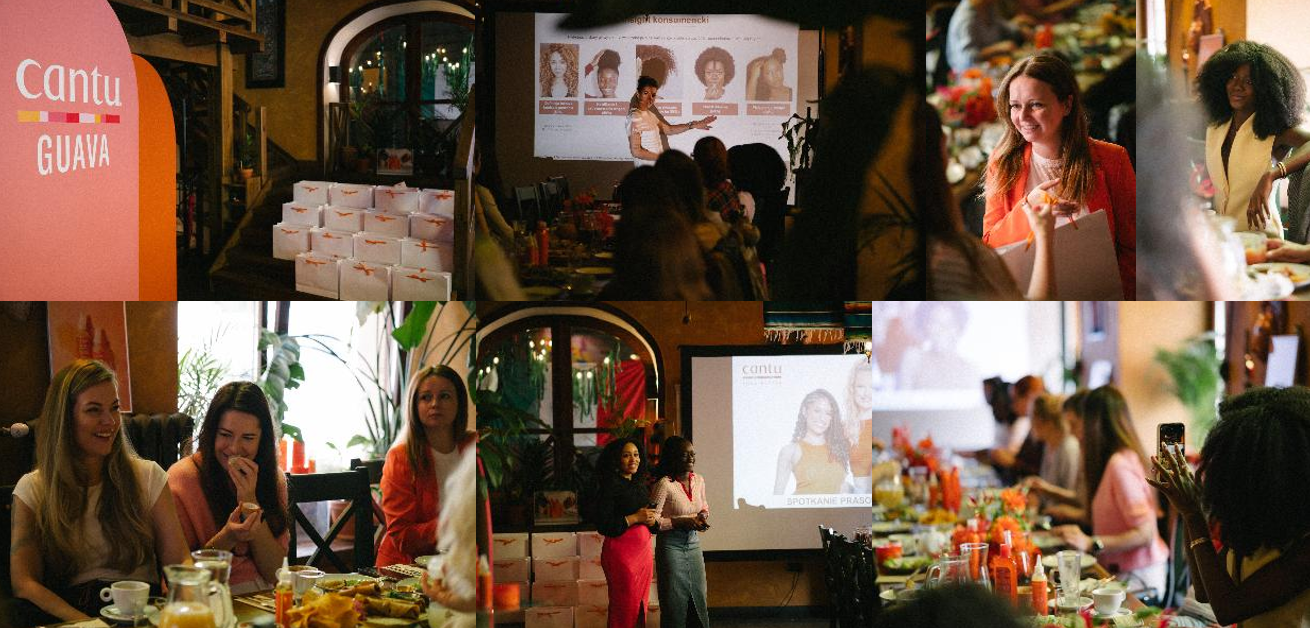
Our work for Cantu in Poland began around the brand’s launch in Rossmann and developed into an ongoing communication programme. Alongside introducing retail availability, we helped explain the products and routines through media relations, creator partnerships, testing and events. New product introductions then became part of a broader programme, giving the team reasons to continue communication beyond the initial listing.
For a launch brief, it is useful to separate those two tasks: announcing where the brand is available and helping people understand which products are relevant to them.
Prepare the explanation before increasing the content volume
Beauty materials often contain extensive ingredient information and product claims. Media and creators also need practical context: who the product is intended for, how to use it and what role it plays in a routine. If several products appear similar, explain their differences clearly enough for someone encountering the brand for the first time.
Prepare that information before commissioning content. Supply approved descriptions, application guidance, suitable images and the supporting material behind the claims being used. Products intended for testing should come with enough information to use them correctly and enough time for the agreed activity.
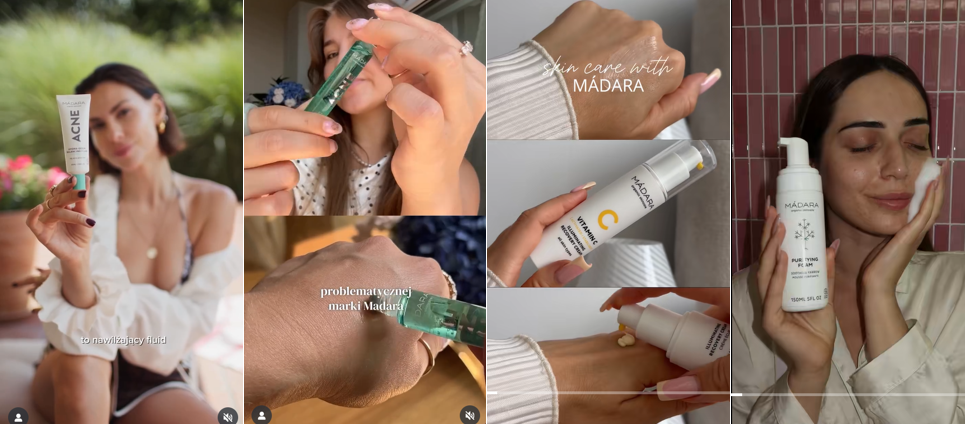
For Florence by Mills, the Polish launch needed to introduce a new skincare brand to Gen Z consumers while supporting product discovery through Douglas. We combined media outreach and creator activity with educational material about routines and ingredients. Contextual articles, guides and product testing gave the people discussing the range more to work with than the launch announcement alone.
Our Florence by Mills case study records more than 65 beauty media publications during the programme’s first five months, alongside work with more than 45 micro-influencers. Product education was part of the preparation across those activities, giving the launch a consistent explanation of the range.
Before increasing the number of shipments or partnerships, check whether the existing brief answers the questions someone needs to understand the product. Gaps at that stage will carry through into the content.
Give each creator partnership a defined role
A global shortlist can help establish the style of creator the brand wants to work with. Selection for Poland should also account for the product, audience and purpose of the individual collaboration.
For a haircare product, review whether the creator can demonstrate a relevant routine and describe their experience clearly. For makeup, examine how they show application, shade and finish. For skincare, consider whether their content can accommodate the explanation and testing involved. Use audience information and previous work to assess those choices.
The brief should state whether the partnership is introducing the brand, explaining a product or directing interest towards a retail offer. These objectives can work together, but each needs to be visible in the content plan. A creator may produce a strong introduction while leaving the viewer unsure which product was used or where to find it.
For LAMEL Cosmetics, we selected and managed creators across Instagram, TikTok and YouTube with awareness and online retail objectives in view. Our team adapted briefs, coordinated approvals and managed activity across four campaigns involving more than 50 creators. The programme generated a combined reach of over 2.8 million.
The LAMEL case study also records that one collaboration contributed to the full product line selling out at Cocolita.pl. When planning activity that directs people to a retailer, product availability and the correct shopping destination belong in the campaign preparation. Confirm both before publication and agree how the team will respond if availability changes.
Match media access to the product story
The announcement should make the essential details easy to find: what is launching, who the products are intended for, where they will be available and what they cost. Supporting materials should then help journalists explore a more specific subject.
A product selection requires concise information and suitable images. A feature about a routine needs a clear explanation of how the products work together. An interview needs a spokesperson who can answer questions beyond the announcement. Build the pitch around the material and access the team can provide.
In our ongoing work for Cantu, we used media pitching, product testing, native content, competitions and events alongside creator activity. The programme gave the team several ways to introduce products and maintain visibility between launches. Each format had a distinct role and needed appropriate preparation.
Propose a demonstration when seeing the product used will help guests understand something that written instructions and independent testing cannot explain as effectively. For a product that can be assessed through a well-prepared sample delivery, put the effort into the shipment, guidance and follow-up. An event should provide a clear reason to attend.
Approve the decisions behind the plan
Agree who will confirm product descriptions, claims, translations, creator content and retail references before activity begins. Give the Polish team the brand context needed to make recommendations, with a clear route for questions requiring specialist or headquarters input.
The proposal itself should make four decisions easy to assess: which products lead the campaign, what needs explaining, who can demonstrate or discuss them credibly, and where interested customers should go next.
Look for those connections across the plan. If a product is selected as the lead, the media story and creator brief should explain why it matters. If education is central to the launch, the materials and schedule should support it. If the activity directs people towards a retailer, the promoted offer should be accurate and available.
At Awesome PR Girls, we help international beauty teams make these choices and manage the media relations, creator partnerships and product experience behind their Polish retail launches.